Monitoring Dashboards 101: What the Console Should Show (and What It Shouldn't)

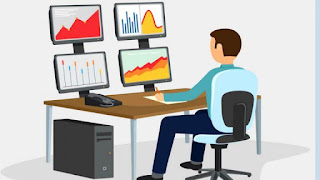
A good monitoring console shows aggregated patterns first, individual detail only under access control, and alerts that map to actions. A bad console shows everything to everyone - which is not a dashboard, it is a surveillance tool with a login page.
The Reports That Matter
A defensible console has four report layers:
1. ORGANIZATION VIEW: aggregated trends - workload distribution, utilization, process patterns - no individual detail
2. TEAM VIEW: per-team patterns with role-based access for the responsible manager
3. INDIVIDUAL VIEW: available only with legitimate access - and mirrored in the employee's own view
4. AUDIT VIEW: access logs, configuration history and retention records - visible to administrators, not to managers
The Views That Should Exist
- EMPLOYEE SELF-VIEW: every employee sees their own data - the transparency layer
- ALERT CENTER: actionable events with owners - not a firehose
- RETENTION CONTROLS: visible retention rules and deletion schedules
- ACCESS LOG: who looked at what - itself reviewed

The Design Signals to Check
When evaluating consoles, look for these signals:
- DEFAULT VIEWS: what does the console show when you log in? Aggregates, or individual streams?
- DEFAULT ACCESS: can a manager open another team's individual data out of the box?
- ALERT DEFAULTS: how many alerts ship enabled? Vendor noise or curated signals?
- EMPLOYEE VIEW: does the product include self-service views, or is it manager-only?
The Buyer's Test
Run the console past three questions:
1. Could I explain every default view to the team, in plain language?
2. Is individual detail gated by role, or open by default?
3. Can employees see the same data their managers see?
FAQ
Q: What should a monitoring dashboard show by default?
A: Aggregated patterns - team and organization trends. Individual detail should be role-gated, not the default view.
Q: Should employees have access to the monitoring console?
A: Not the console itself - but they should have their own view of their data. Self-service visibility is the transparency standard.
Q: What is the difference between a dashboard and surveillance software?
A: Design. Dashboards aggregate, gate access and mirror data to employees. Surveillance software streams everything to everyone without visibility for the subject.
CONCLUSION
The console is where monitoring becomes either a management tool or a liability. Buy the one that aggregates first, gates individual access, mirrors data to employees and treats alerts as a privilege. The design signals are visible in the demo - if you know what to look for.
iMonitor EAM and iMonitor 365 are built on this console philosophy: aggregated defaults, role-based access, employee views and curated alerts. 15-day free trial: imonitorsoft.com


Comments
Post a Comment